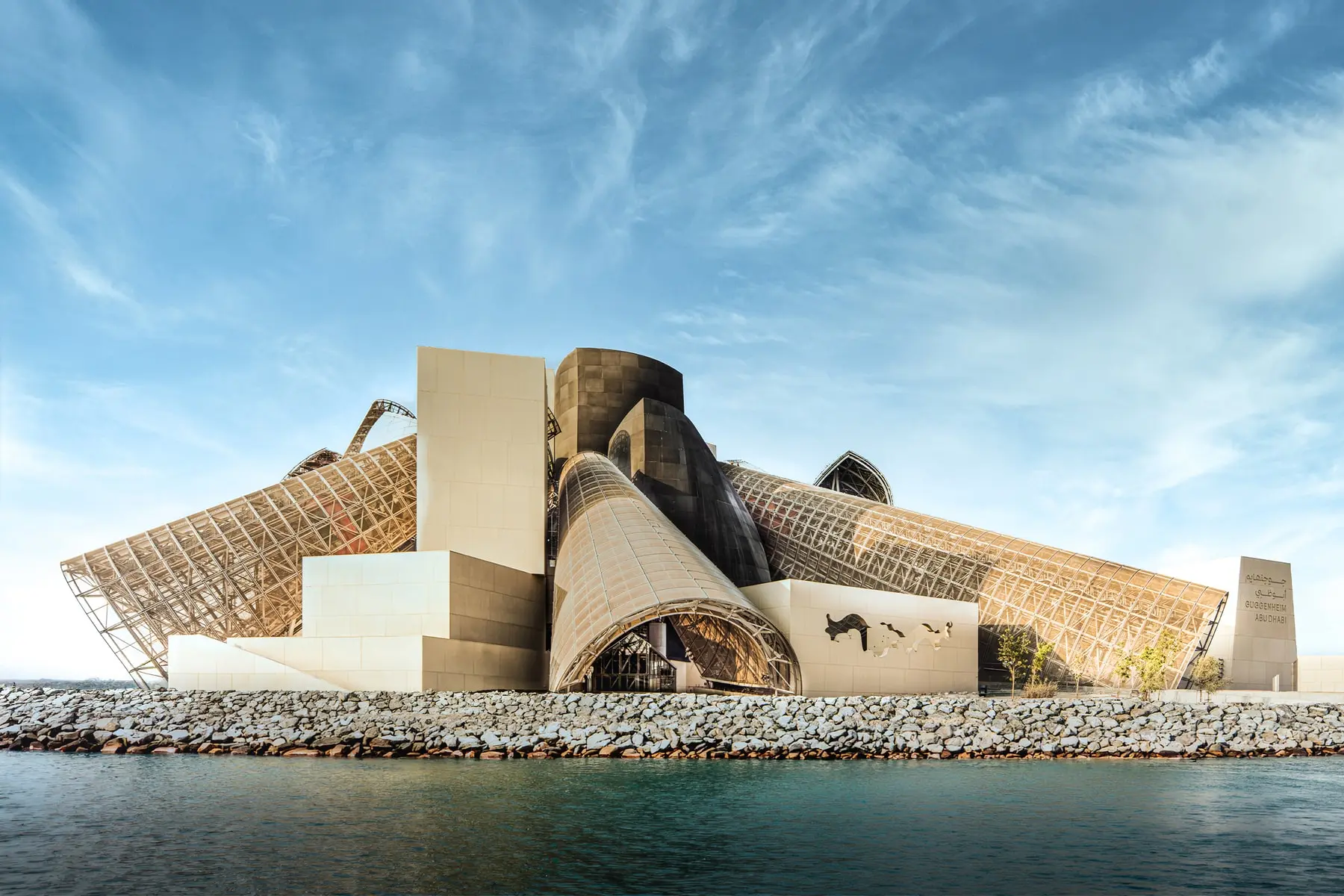
2006: Abu Dhabi announces Guggenheim Abu Dhabi, a Frank Gehry museum on Saadiyat Island. 2026: Abu Dhabi's Department of Culture and Tourism confirms the opening date as December 11. The interval is twenty years and eight months.
The project's timeline makes it among the longest museum gestations in recent institutional history. The Louvre Abu Dhabi, announced in 2007, opened in 2017. The Zayed National Museum, also part of the Saadiyat Cultural District and also announced in the mid-2000s, remains without a public opening date. Guggenheim Abu Dhabi's December debut closes one of the three major institutional gaps on the island.
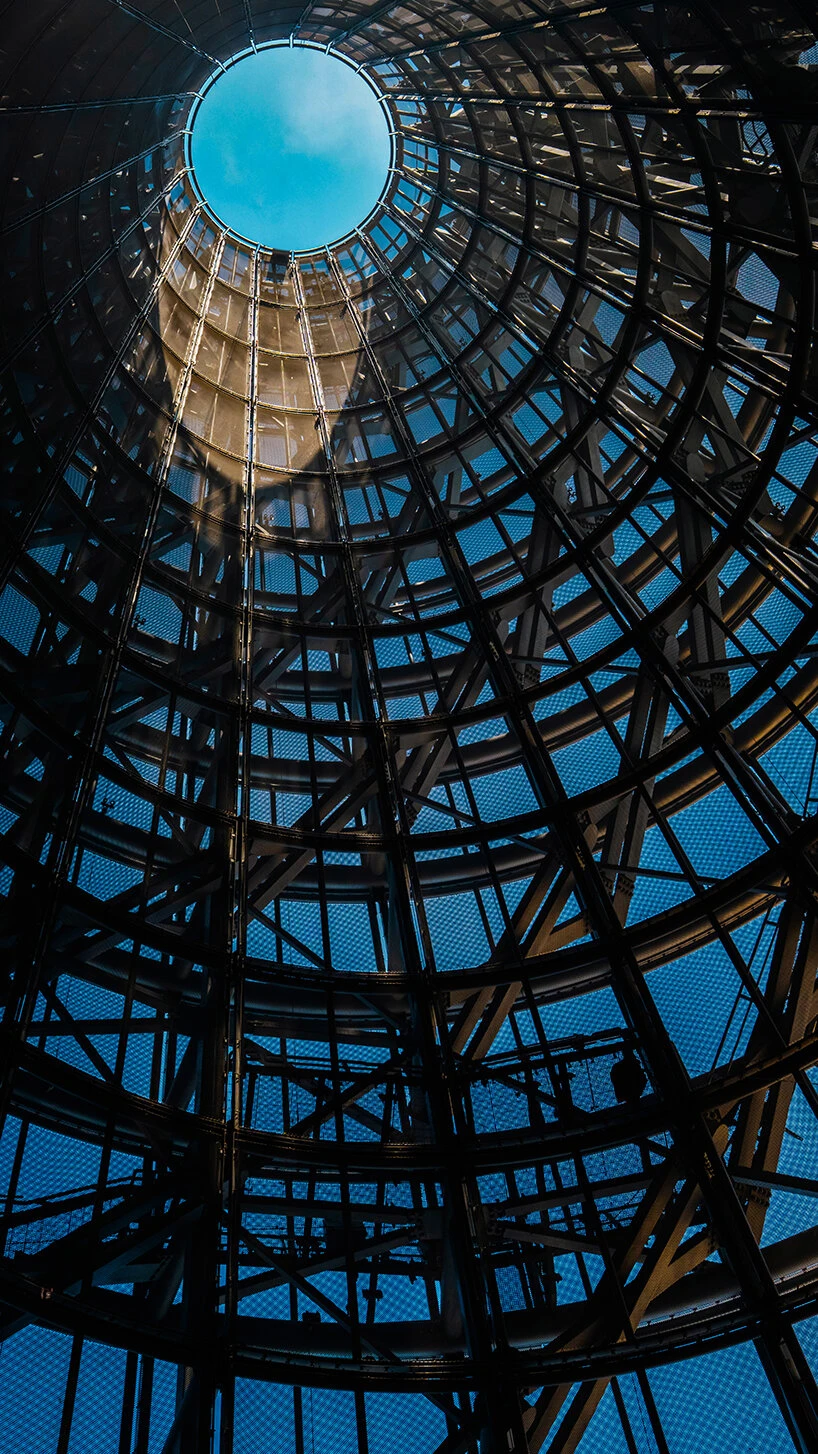
The physical footprint is substantial. Thirty galleries span nearly 25,000 square meters. The building's cluster of stainless steel, onyx, and glass cones follows the formal vocabulary Gehry established at Bilbao in 1997, though the Abu Dhabi structure is configured for desert light and humidity rather than Basque rain.
The Guggenheim Foundation's expansion model depends on franchise fees and programming agreements with host governments. Bilbao opened in 1997. Las Vegas opened and closed. Berlin was proposed and withdrawn. Helsinki was proposed, rejected by referendum, and revived as a different project. Abu Dhabi was announced in 2006, groundbreaking followed, then construction paused, then resumed, then paused again. The pattern across the Foundation's global footprint is one of ambitious announcement followed by variable execution.
December 11 lands the opening in the same calendar window as Art Dubai (March), the Abu Dhabi Art fair (November), and the broader Gulf cultural season that runs October through April. The timing positions the museum's debut inside the regional attention cycle rather than outside it.
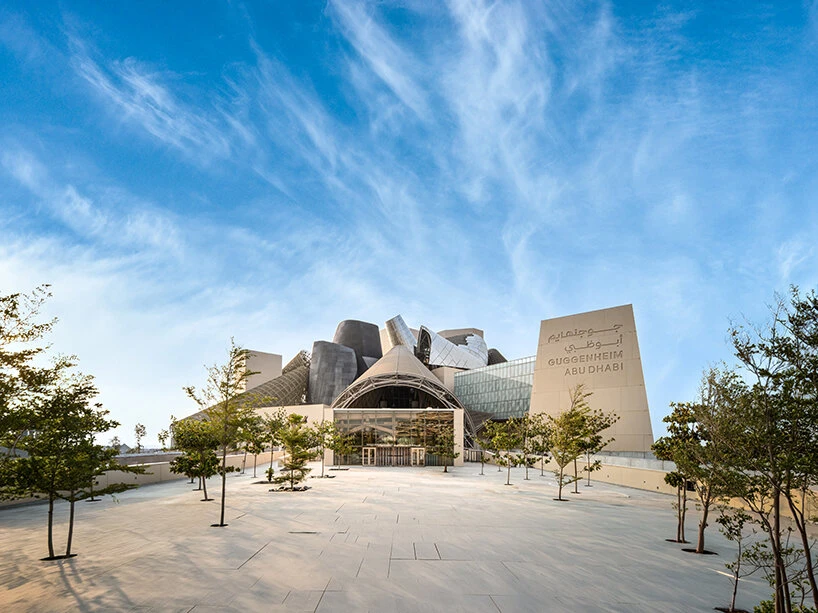
The operational question is what programming accompanies the building. The Guggenheim Foundation has not announced a founding collection, a curatorial director for the Abu Dhabi outpost, or an exhibition calendar beyond the opening. The building is confirmed. The institution inside it is not yet public.
The Guggenheim Foundation's franchise model has produced, across three decades, a single durable success outside New York: Bilbao. The other attempts form a catalog of withdrawal and collapse. Las Vegas operated briefly before closing. Berlin never advanced past proposal. Helsinki reached a public vote and lost. Abu Dhabi alone persisted through two decades of pauses, resumptions, and silences, outlasting the Foundation's other expansion efforts not through velocity but through the host government's unwillingness to abandon sunk costs. That persistence does not guarantee institutional substance; it guarantees only that a building will exist.
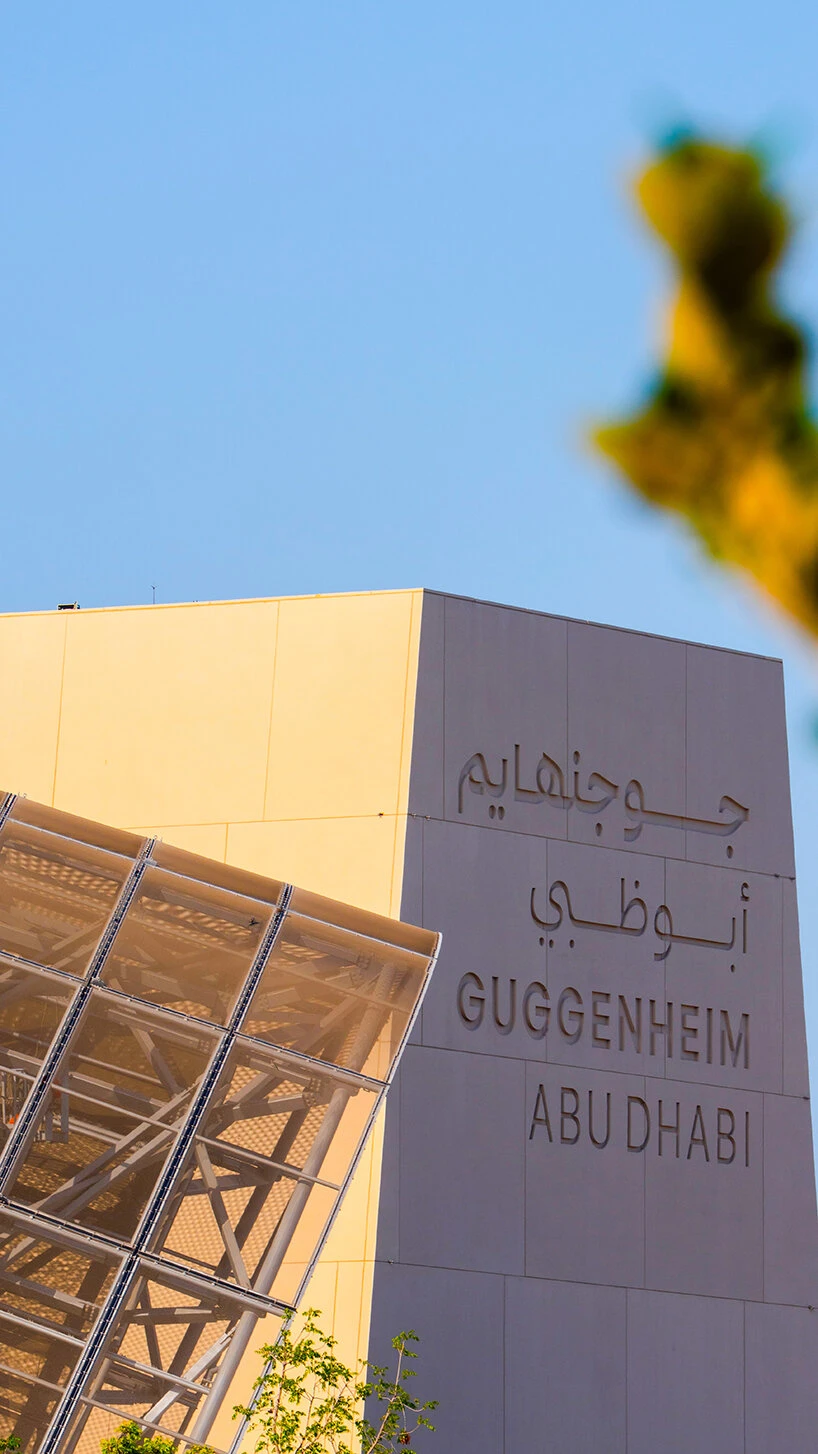
The asymmetry between architectural certainty and programmatic ambiguity is the project's defining condition at this stage. Thirty galleries, nearly twenty-five thousand square meters, stainless steel and onyx and glass cones configured for desert light: the container is specified to the centimeter. The contents remain unannounced. No founding collection, no curatorial leadership, no exhibition calendar. The December opening will deliver a Gehry building to an audience. What it will deliver as a museum is a question the Guggenheim Foundation has not yet answered in public.
Twenty years from announcement to ribbon-cutting is a lag measured in careers. Gehry was 77 in 2006. He is 97 now. The architects, curators, and government officials who negotiated the original agreement have largely rotated out. The building that opens in December will be judged by an audience that was not yet born when the project was announced.