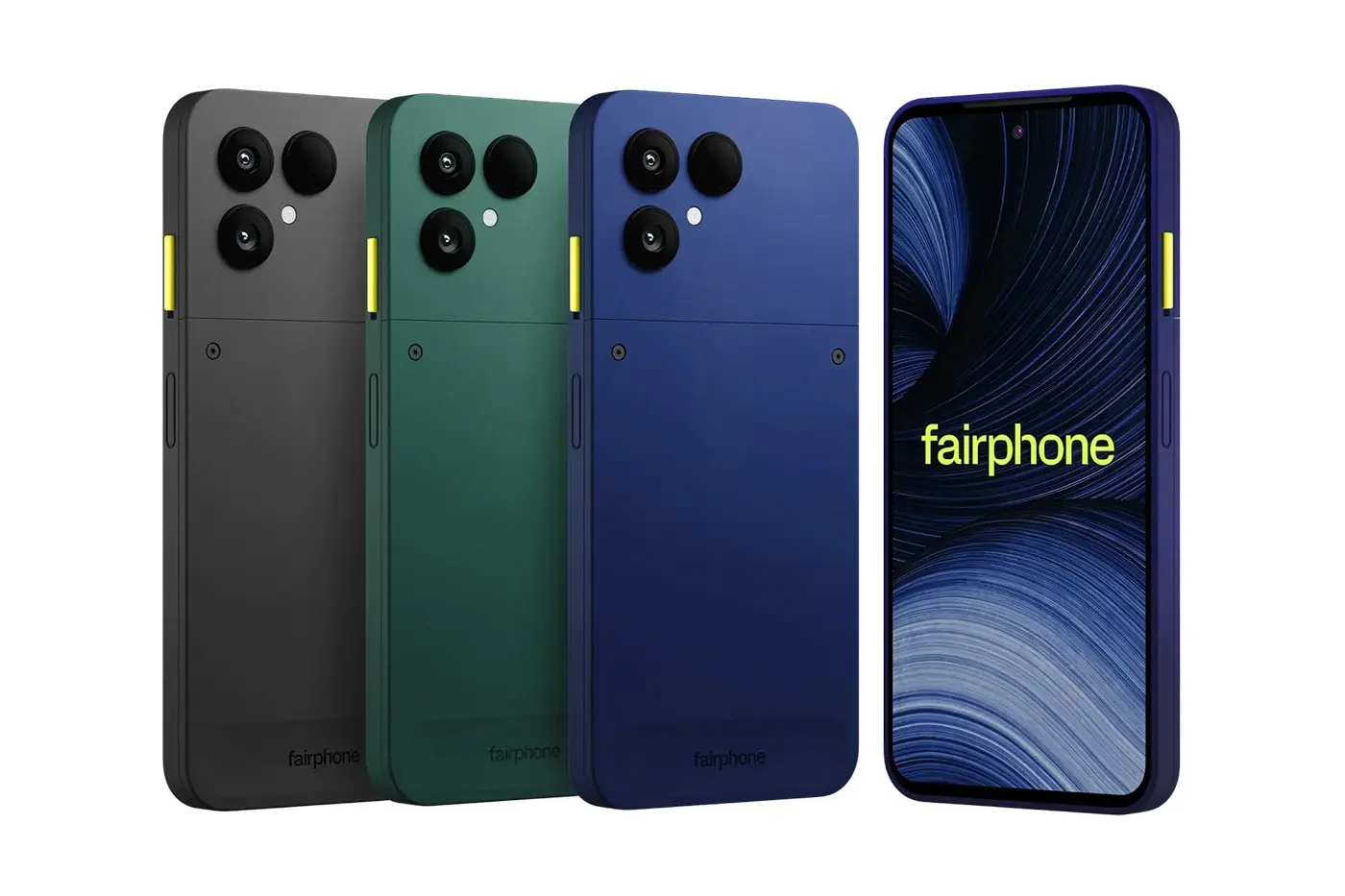
Right to repair has been a live legislative and cultural fight in the United States for years: state laws passed, John Deere sued, Apple grudgingly added a self-repair program. Fairphone, the phone engineered from the ground up to make that exact argument moot, is arriving in the US only now, a decade into its European run.
The mechanism here is straightforward: cultural preference for repairability was built by other actors first, mostly through legislative fights and iFixit teardown culture, and Fairphone is entering a market where the argument already won without the product that was purpose-built to make it. You have seen this pattern before in sustainable products generally, where the values conversation outruns the retail entry by years, and the brand that embodies the values arrives to a public that already holds the opinion secondhand.
The 10/10 iFixit score is the proof point Fairphone is leading with, and it lands into a market where iFixit's own teardown culture has spent a decade training consumers to expect exactly that kind of scoring language, just applied to Apple and Samsung devices they already own. The preference for repairable hardware exists. It has been voting with legislative pressure and secondhand market behavior, not with phone purchases, because the phone that matched the preference was not sold in the country holding the preference.
$650 puts the Gen 6+ against mid-tier Android competitively, not against the iPhone flagship tier, which is the correct bracket for a company testing whether preference converts to purchase once the product is finally available rather than theoretical. European sales over the prior decade suggest a ceiling: Fairphone has never scaled past a devoted niche even in markets where it launched on time, which means US arrival alone will not close the gap between the repair conversation and repair purchasing.
The iFixit scoring language is doing quiet work here. It gives US buyers a familiar shorthand, one already trained into them through years of teardown coverage of Apple and Samsung devices, and hands that shorthand to a company most of them have never bought from. That familiarity lowers the cost of a first purchase, but it does not by itself convert a decade of secondhand approval into a checkout decision.
Pricing the Gen 6+ against mid-tier Android rather than flagship iPhones is the more revealing signal. It concedes that Fairphone is not trying to win on desirability alone, but on the narrower claim that repairability is worth a mid-tier price for people who already say they want it. That is a smaller bet than a flagship launch, and a more honest one given the European sales history.
That European history is the ceiling worth watching. A decade of on-time launches across markets that already had the product never pushed Fairphone past a devoted niche, which means the US delay was not the only obstacle to scale. Arrival alone was never going to be sufficient, only necessary.
The ninety-day marker matters: track the measurable share of US right-to-repair advocates, the people who already fought the legislative fight, who convert into actual buyers by mid-November. If sales stay confined to the existing sustainability-hardware niche instead of pulling from the broader repair-rights conversation that predates this launch by years, the gap between naming the value and buying the product will have held rather than closed. Track the conversion. The number either moves or it does not.