On May 16, Drake released Iceman, Maid of Honour, and Habibti simultaneously. The cultural conversation has framed this as generosity: three distinct sonic palettes, no bloated tracklist, something for every corner of his audience. The framing from fans and press alike treats the move as creative ambition finally unchained.

The operational reality is more mechanical. According to reporting on the release, the three albums collectively satisfy Drake's remaining album quota with Universal Music Group. By delivering all outstanding contractual obligations in a single day, Drake has reportedly converted himself into the most valuable free agent in recorded music. The triple drop is not a gift to listeners. It is a corporate clearing event dressed in the language of artistic abundance.
This is not the first time an artist has used volume to accelerate a contract exit. Prince famously flooded Warner Bros. with material in the early 1990s, though his approach was adversarial and public. Drake's method is cleaner: deliver everything at once, let the press cycle celebrate the output, and emerge on the other side with leverage intact. The three-album structure even provides plausible deniability. Dividing material into discrete projects reads as curatorial intention rather than contractual math.
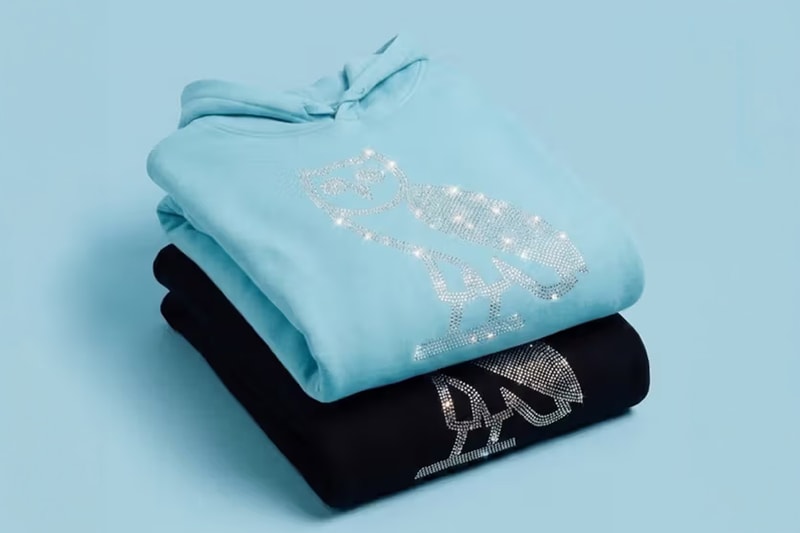
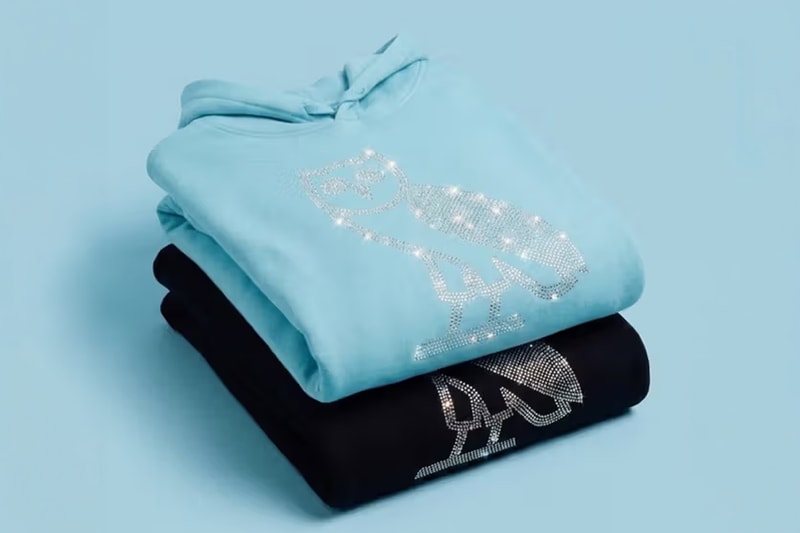
The merchandise operation confirms the priority. October's Very Own launched ICEMAN hoodies within hours of the album drop, featuring crystal-embellished owl logos in two colorways. The speed of the apparel release suggests the infrastructure was built months in advance. When a lifestyle brand has product ready to ship before listeners have finished the first album, the sequence of priorities becomes legible. Music serves the exit. Merchandise captures the moment.
Universal Music Group has not publicly commented on the contract status. The silence is itself instructive. A label celebrating a major release typically issues statements, coordinates press exclusives, and amplifies the narrative. The absence of UMG's voice in the conversation suggests the relationship has already shifted from partnership to settlement.
Drake's position now differs materially from every other artist at his commercial scale. Streaming economics have compressed the value of album releases relative to touring and licensing. An artist with 80 million monthly Spotify listeners and no contractual encumbrances can negotiate from a position that did not exist a decade ago. The question is not whether labels will bid for his next project, but whether he needs a traditional label structure at all.
The cultural narrative will continue to emphasize the creative dimensions: the sonic range, the production credits, the feature appearances. That framing is not wrong. It is simply incomplete. The three albums are also a legal instrument, a balance-sheet event, and a renegotiation of power executed in plain sight. The celebration of abundance is real. So is the contract that ended because of it.