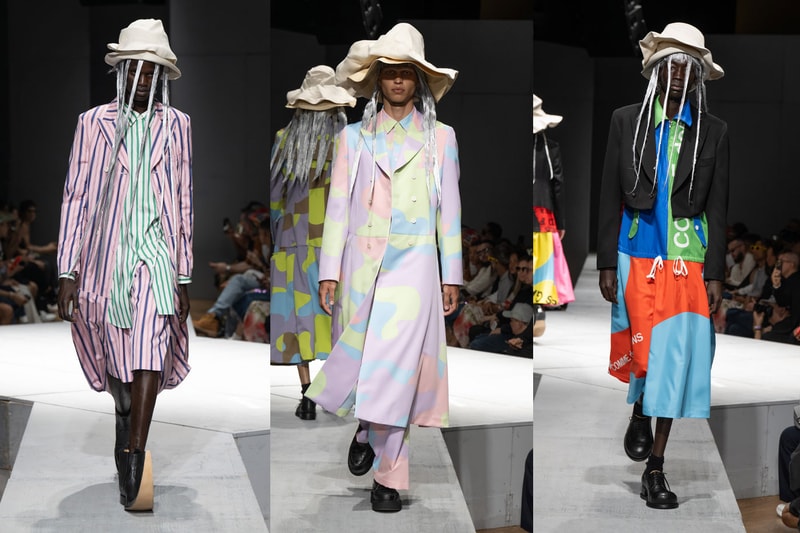
Rei Kawakubo has never been interested in the single-room runway. But this season's Homme Plus show made the format itself into the argument. The Spring/Summer 2027 presentation, titled "If The War Were To End..", opened at the Élysée Montmartre, the 19th-century dance hall in the 18th arrondissement, then moved guests to the courtyard of Dover Street Market Paris for a second act. Two physical locations, one continuous collection, and a gap between them that attendees had to cross on foot.
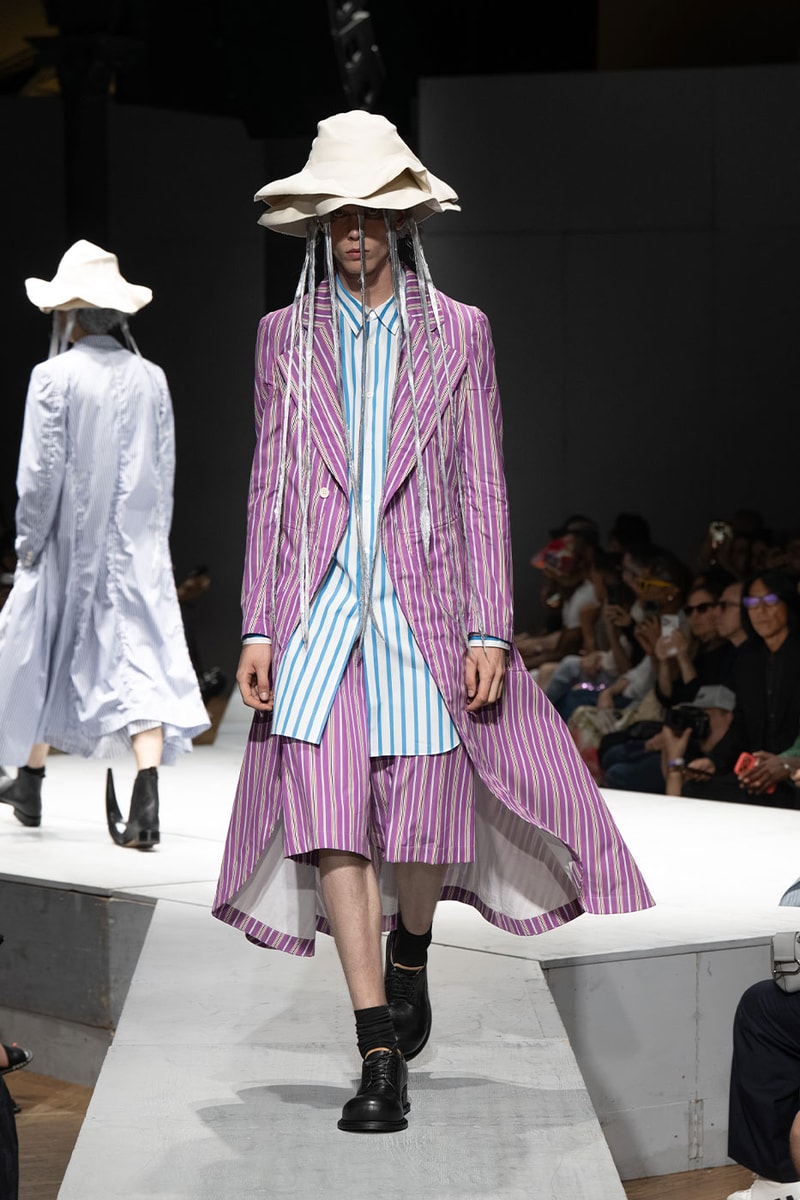
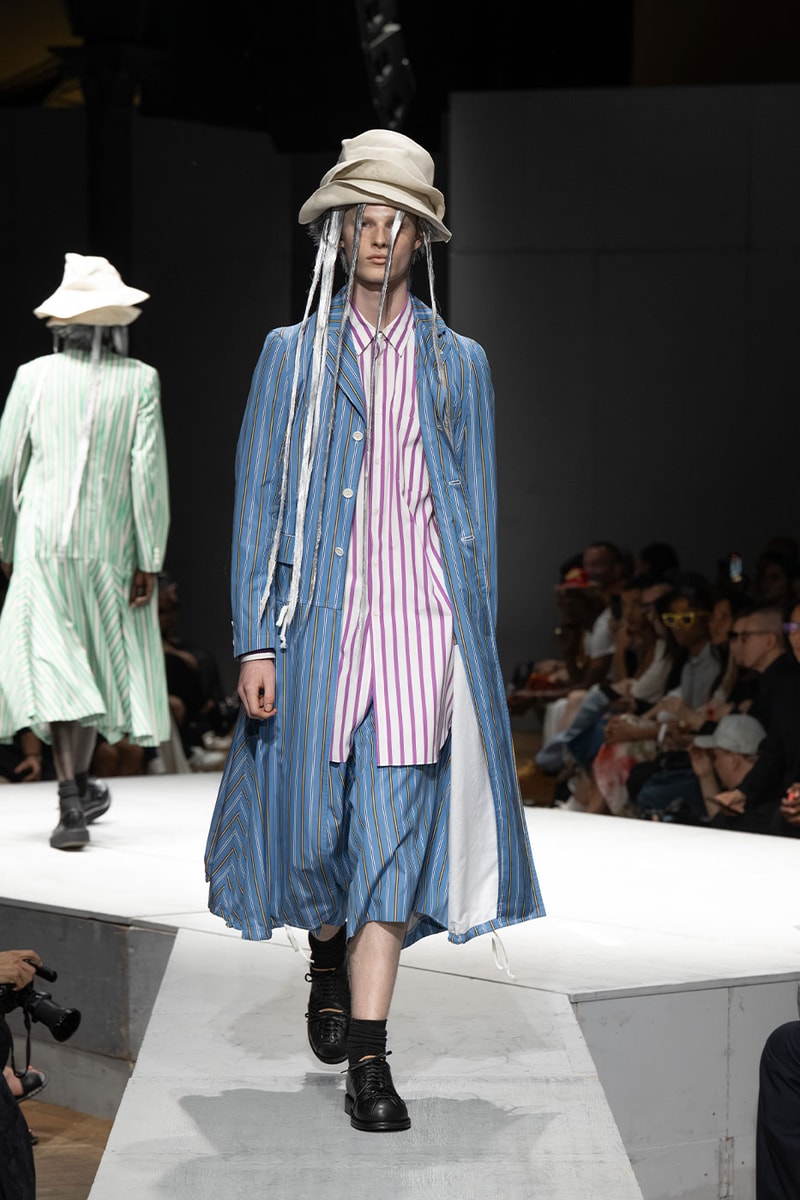
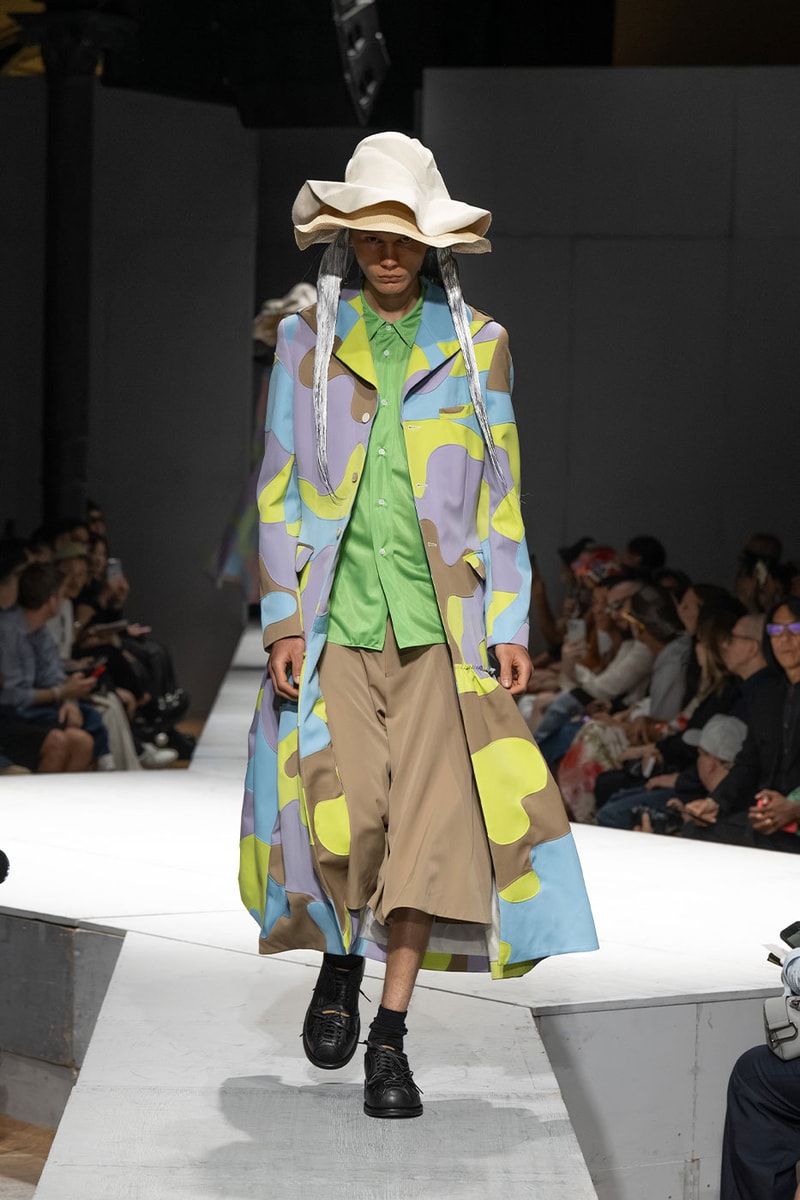
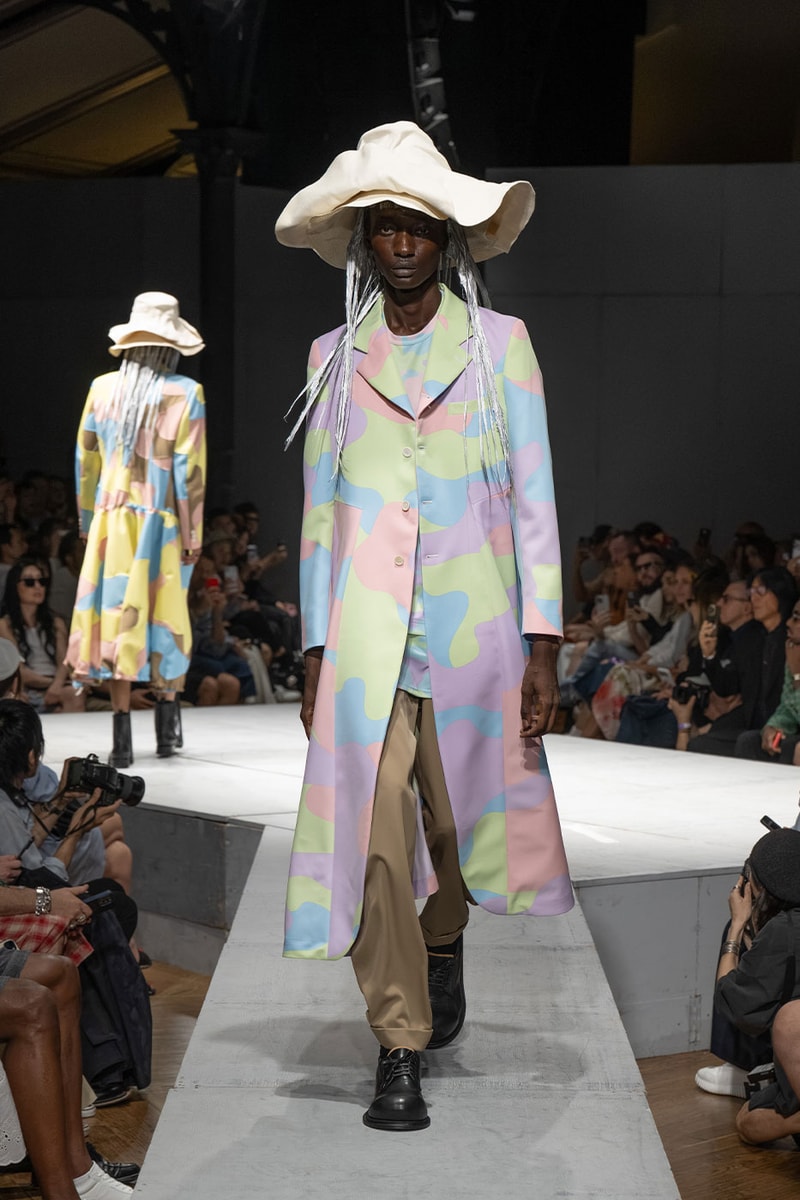
The collection traded combat energy for what looked like release. Soft pastel camouflage, patchwork tartans, the return of the ultra-pointy boots that defined earlier Homme Plus seasons. But the silhouettes mattered less than the logistics. Splitting a single show across two venues is expensive, operationally complex, and deliberately inconvenient for press. It is also a direct refusal of the livestream-first calendar that most houses now treat as baseline.
The dual-venue format is not entirely new. Maison Margiela has staged shows that moved audiences between rooms. Balenciaga under Demna once held a show inside a fake snowstorm that required physical presence to register. But those were experiential sets within a single building. Kawakubo's move puts actual distance between the two halves, turning the commute into part of the show. You cannot stream the walk from Montmartre to Dover Street Market. You can only be there or not.
The timing is pointed. Paris Fashion Week menswear has compressed into a four-day sprint where most houses fight for the same evening slots and the same Instagram grid real estate. Comme des Garçons has always scheduled off the main calendar when possible. This season, the dual-venue format extends that logic: if the runway is a content delivery mechanism, the split forces a different kind of attention. The first act ends, the audience reconvenes, the second act recontextualizes the first. The gap is the point.
There is a practical question underneath the gesture. Kawakubo is 83. Dover Street Market Paris, the second venue, is not just a showroom but a retail operation she controls. Staging the finale there puts the collection inside its own distribution channel before the press cycle even begins. The show becomes a sell-through preview. The format that looks like anti-commercial theater is also a retail activation.
Other houses are watching. The livestream era made global reach the metric. Kawakubo's split suggests reach is not the only variable. Physical presence, controlled scarcity, and the forced pause between acts all point to a different calculation: who gets to see the work, and under what conditions.