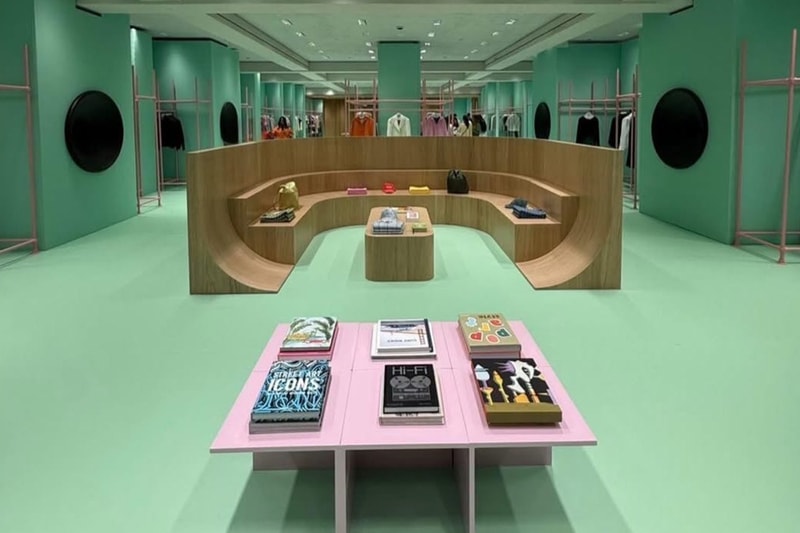
Bad Bunny's new clothing line Benito Antonio launched this weekend through a partnership with Zara. The collection spans hoodies, caps, and full tailored suits, available at a pop-up in San Juan's Plaza Las Américas and through Zara's global retail network. The announcement came via Zara's Instagram, positioning the collaboration as an official brand initiative rather than a limited capsule.
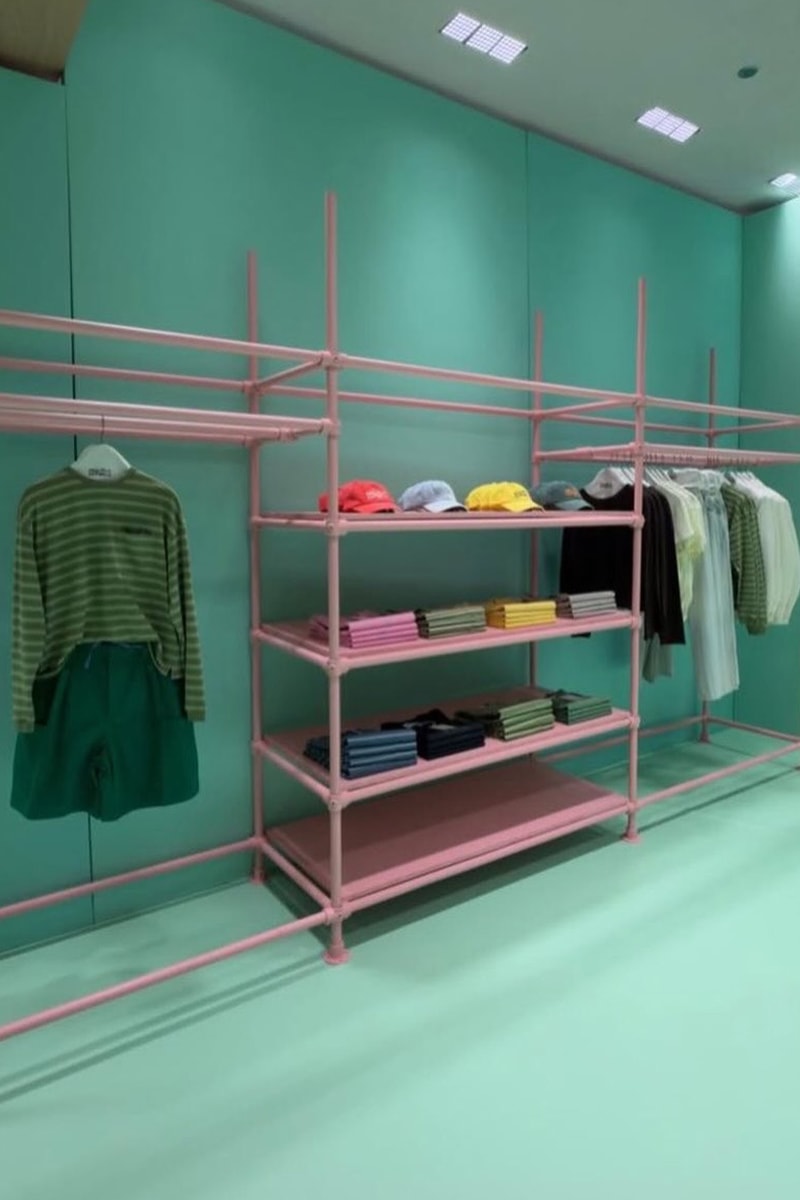
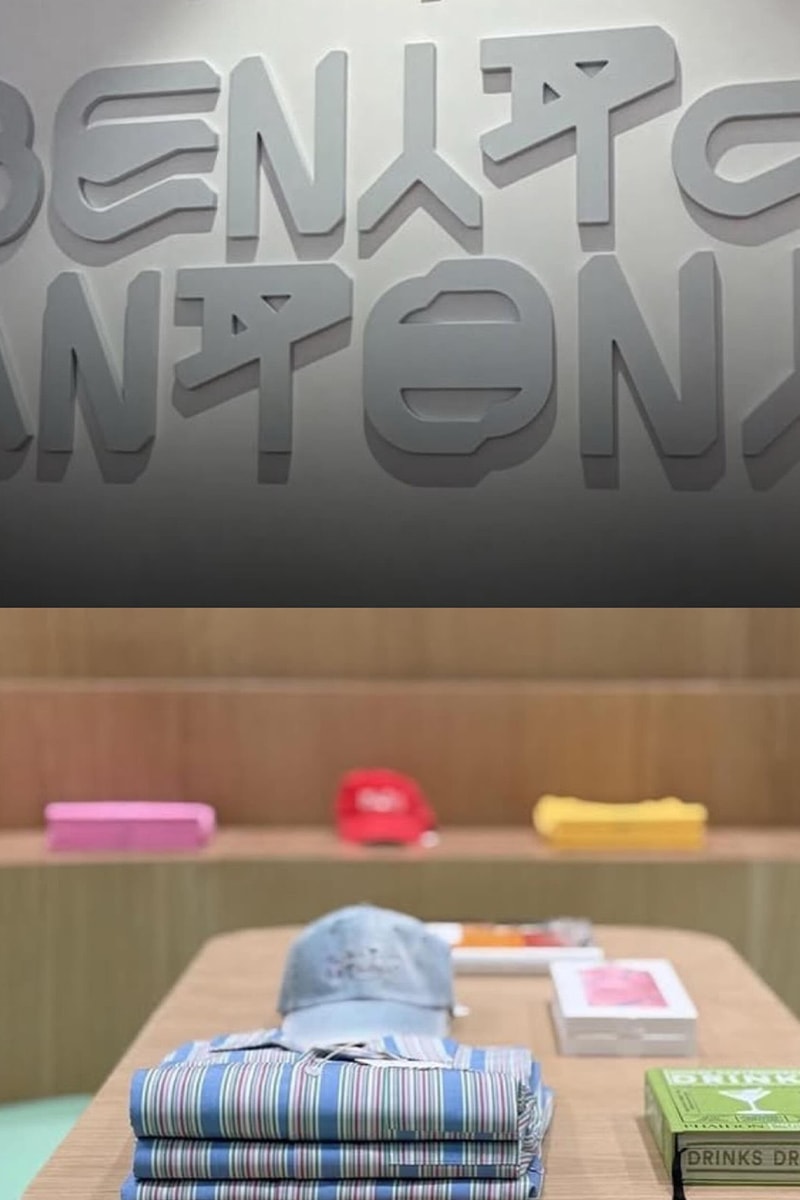
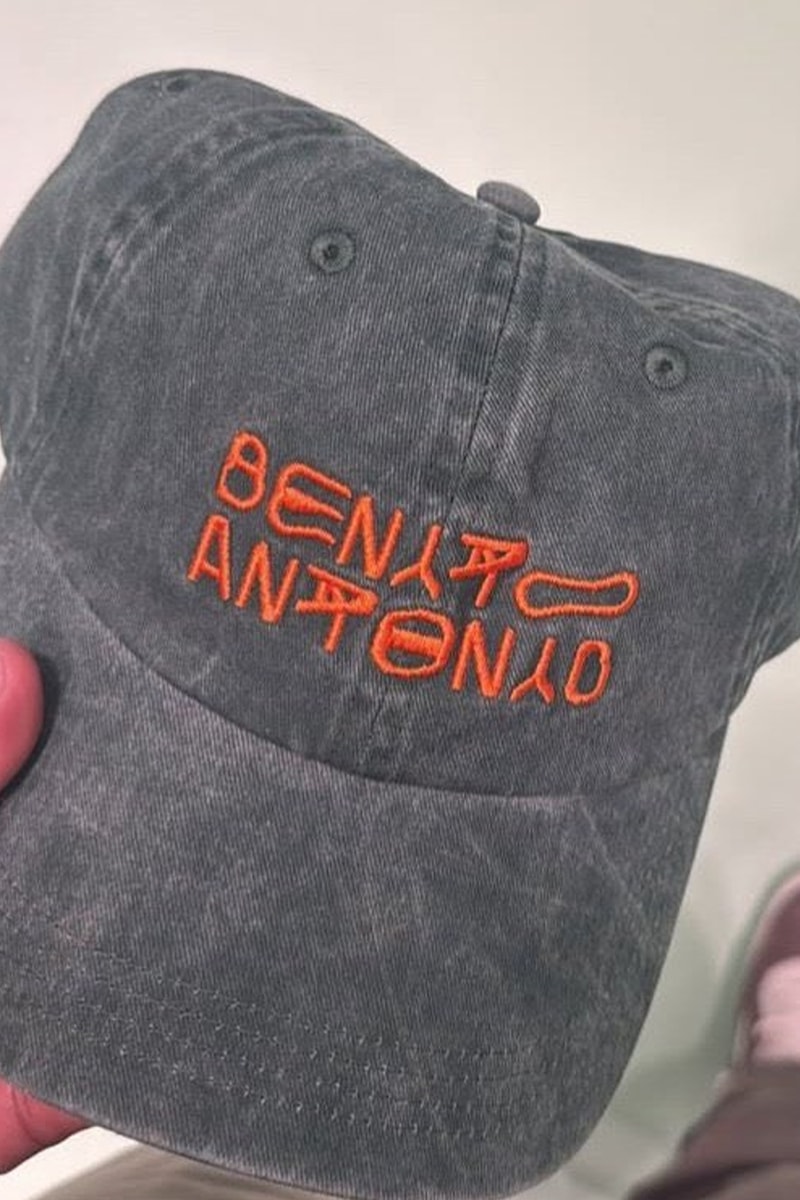
The Zara partnership represents a distribution strategy that diverges sharply from the playbook most artists at Bad Bunny's cultural position have followed. Tyler, the Creator built Golf le Fleur through controlled scarcity and standalone retail. Pharrell's Billionaire Boys Club operated for years as a cult proposition before any mass-market adjacency. Even Drake's OVO, despite its commercial scale, maintains a premium positioning with selective wholesale accounts. Bad Bunny is taking Benito Antonio directly into the largest fast-fashion operation on earth.
Inditex, Zara's parent company, operates over 5,800 stores globally and reported revenues exceeding 35 billion euros in its most recent fiscal year. The company's supply chain can move a garment from design to store floor in under three weeks. This infrastructure offers Bad Bunny something no streetwear-paced operation could: immediate global availability at accessible price points. A Bad Bunny fan in Manila, São Paulo, or Warsaw can walk into a Zara and buy the same product that launched in San Juan.
The question the partnership raises is whether presence at this scale converts to preference or dilutes it. Streetwear economics have historically depended on scarcity as a value mechanism. A product that sells out becomes desirable precisely because it sold out. A product available in every Zara location worldwide operates under different logic. The item must be chosen, not hunted.
Bad Bunny's audience composition may support this bet. His streaming numbers, concert attendance, and social following suggest a fanbase that skews younger and more geographically distributed than heritage streetwear demographics. These listeners may not have access to consignment shops or boutique drops. They may not participate in resale culture. For them, a Zara price point and a mall location removes friction rather than undermining value.
The collection's range, from casual fleece to constructed tailoring, mirrors Bad Bunny's own public presentation. He has appeared in everything from vintage sports jerseys to custom Jacquemus. Translating that eclecticism into a cohesive retail proposition is challenging. Whether the tailored pieces sell alongside the hoodies will indicate how the audience reads the brand: as a fan merchandise extension or as a genuine style proposition.
The San Juan pop-up placement is deliberate. Plaza Las Américas is the largest shopping center in the Caribbean. Launching there rather than in a fashion capital signals that Benito Antonio is being built outward from Puerto Rico rather than seeking validation from existing fashion infrastructure. The cultural statement is clear. The commercial performance will determine whether the strategy holds.