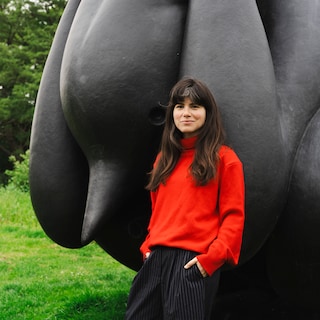
Café Saarein on Elandsstraat has been running since 1978. It does not advertise. It rarely appears in best-bars lists or nightlife guides aimed at visitors. Yet when Het Parool asked actress Hanna van Vliet to name five places every Amsterdammer should know, the bar made her list, complete with the observation that walking in means running into your exes.
The gap between presence and visibility is the story. Saarein operates without the press cycle that sustains newer venues. No rebrand announcements, no collaboration drops, no influencer partnerships. The crowd knows the bar exists because they were taken there by someone who already knew, or because they found it on a walk through the Jordaan and noticed the rainbow flag that has hung outside for decades.
What Van Vliet's mention surfaces is how durable that word-of-mouth channel remains. The venue has outlasted three generations of Amsterdam queer nightlife, from the Reguliersdwarsstraat boom to the post-2010 club closures to the current moment of scattered programming. It persists not by adapting to trends but by ignoring them, holding a space that enough people still want that the economics continue to work.
The preference gap runs in both directions. Mainstream nightlife coverage names venues that photograph well and offer press-friendly narratives. Saarein does neither. But when individuals are asked what actually matters, the bar keeps surfacing. Named everywhere it counts, covered almost nowhere that aggregates.